
Disappearing Plants: Alpine species, Warming Climate and Environmental Stress
First Assignment of my SBA botanical illustration diploma suggested we stick to plants with simple clean lines; a perfect opportunity to pick an alpine variety of Liliaceae and so I introduce the post cover plant Erythronium montanum (White Avalanche Lily) so named due to its occurrence in vast swathes in meadows. E. Montanun is a plant of the alpine and sub-alpine biozone, found in moist open alpine meadows of the Pacific Northwest it flowers following snow melt and is therefore a good example of the many alpine plants currently under treat by climate change. There are many compounding reasons why the alpine-arctic zone is facing problems; an underlying warming climate pushing species further upslope into narrower belts, along with additional localised land-use pressures of grazing and poor management leading to loss of landscape heterogeneity.
The Sub-Alpine Belt
The slopes and summits which stretch above the treeline are known as the alpine biozone or biome, within the lower parts between the two is frequently a subalpine zone where the trees reduce in height and density, being replaced by dwarf shrub and vascular plants. The exact composition of the subalpine zone is frequently governed by local morphological and climatic variability in the landscape, creating hollows where snow can last longer into spring. It is an essential biome for many vascular plants at higher altitudes which would be shaded out by deep tree canopies or struggle in the exposed alpine environment, subsequently, it is also home to many specialist moth and butterfly species that you would not find at lower altitudes.
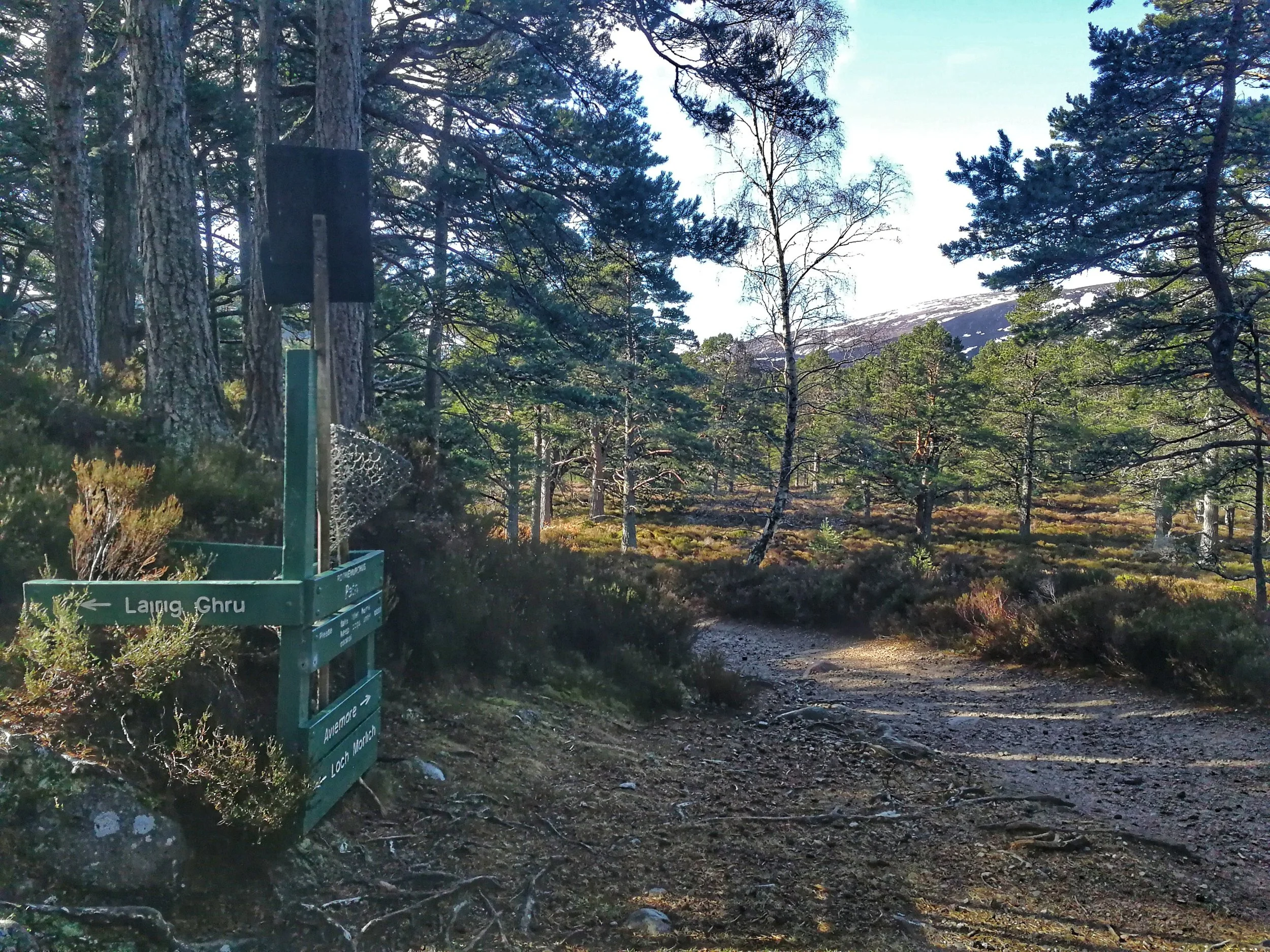
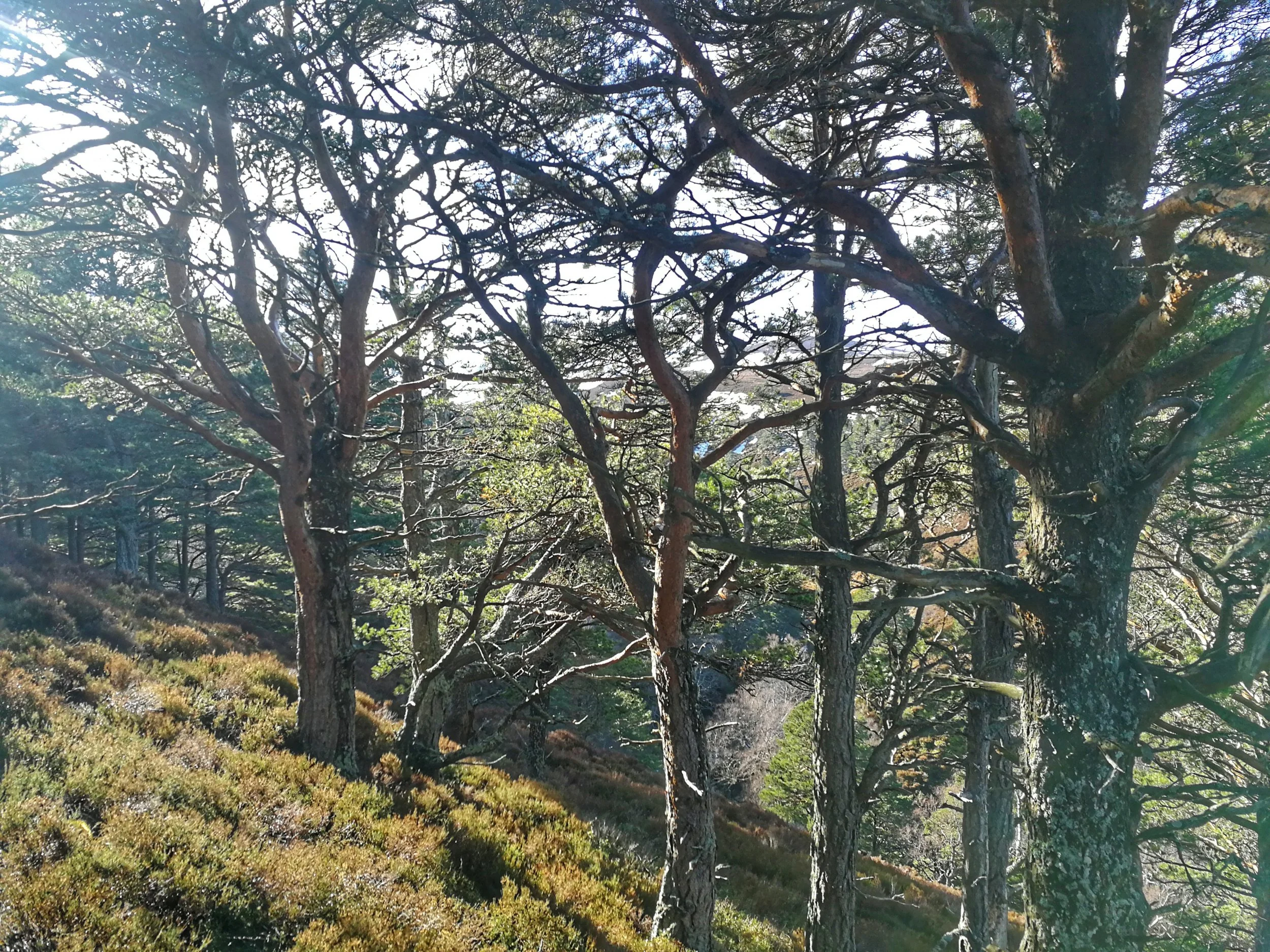
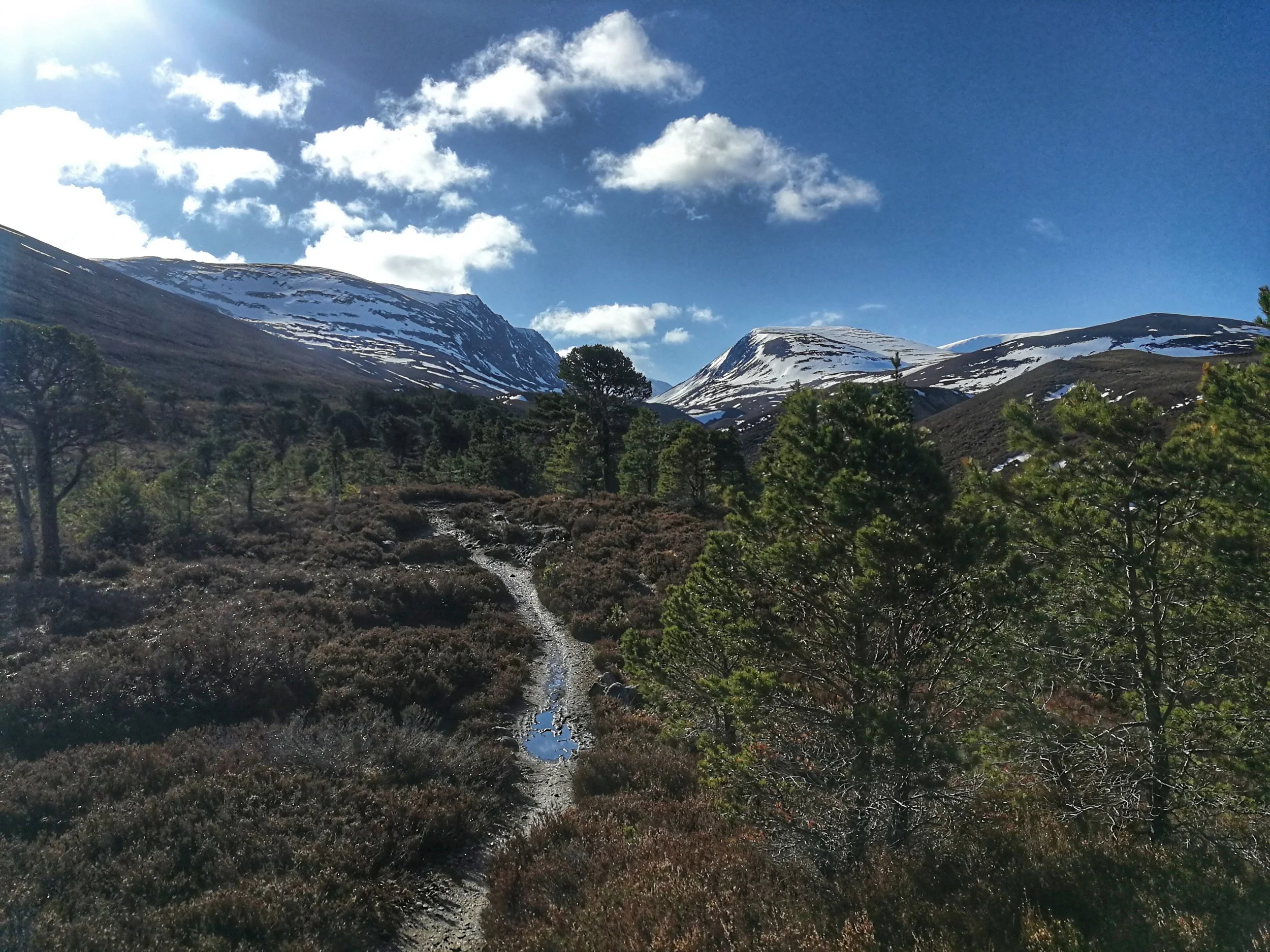
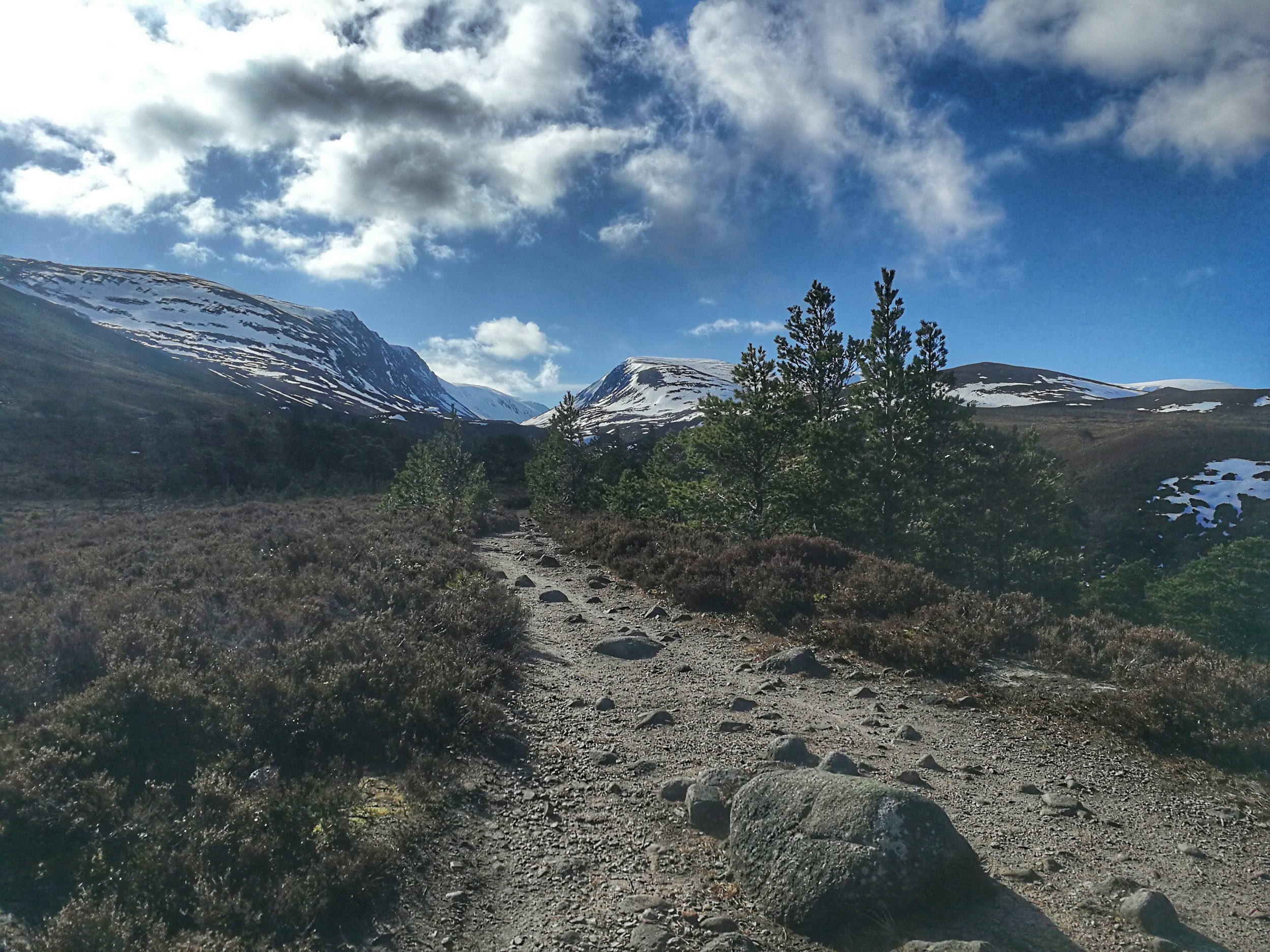
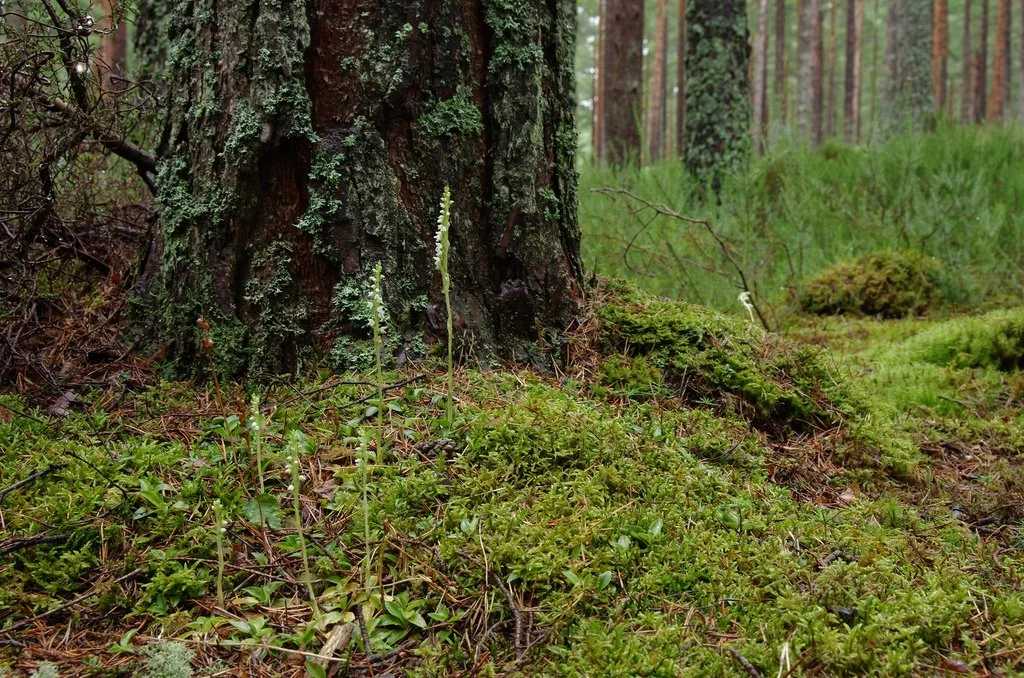
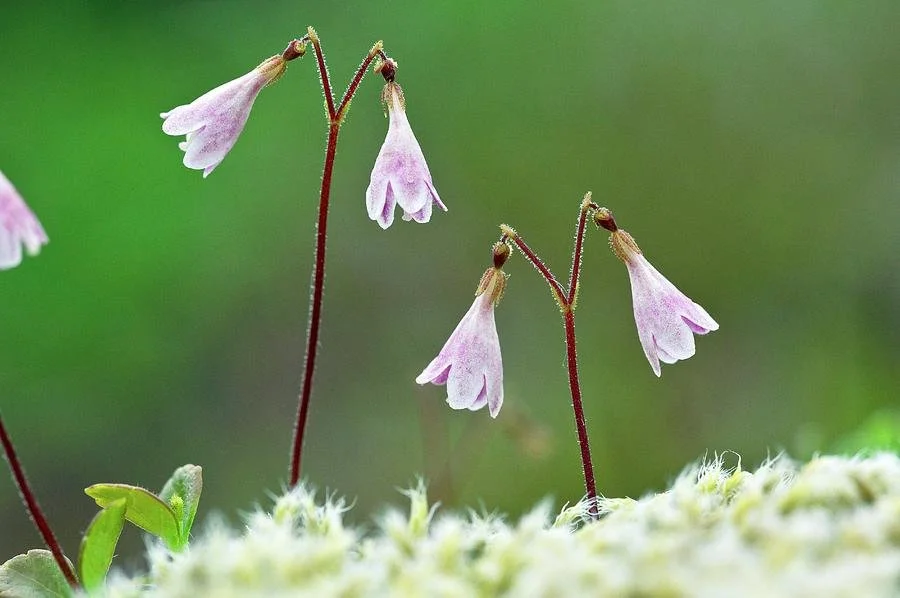
One of my favourite mountain fastpacking trips in the Cairngorms (Scotland); takes you from the Caledonian Scots Pine forest of Rothiemurchus out onto the Lairg Ghuru pass leading into the alpine-arctic scenery of the straddling Cairngorm plateau (images above). As you follow the narrow singletrack path through a canopy of Scots Pine the views gradually open out into a matrix of Cowberry, Blaeberry and the moss Hylocomium splendens; as you move away from the tracks it is possible to find rarities like the twinflower or creeping lady’s tresses (below images respectively). This is the Scottish outpost of the Boreal Taiga, a great belt of pine and spruce which encircles the Arctic. Beyond this belt the path opens up into the pass, the air cools and the views widen into the Alpine-arctic expanse of the Cairngorms with Braeriach and the Cairn Toul plateau on the right and Ben Macdui on the left.
“Edelweiss, Edelweiss - blossom of snow may you bloom and glow forever”
— Sound of Music
Erythronium montanum (White Avalanche Lily) is a classic example of a subalpine meadow species, the same meadows are also prevalent in the European Alps; a landscape well known from the musical ‘ The Sound of Music’, frequented by the ring of cowbells, a livelihood for local herders who have grazed their cows in the same pastoral way for centuries and admired by all who embark on the TMB. This sub alpine to alpine zone in Europe is home to approximately 2500 vascular plant species (or c. 20% of the continents natural flora) and centred in only 3% of the terrestrial area, hence limited availability of space to retreat to in increasingly warmer climates (Gottfried et al. (2012)). The GLORIA (Global Observation and Research Initiative in Alpine Environments) program, which surveyed 60 summit sites in 17 major European mountain ranges in 2001 and 2008, found a 5% transition in the magnitude of one vegetation belt in only 7 years. The pooled data from across Europe showed plant interactions within their environment are shifting on stress gradients from being mutually beneficial in harsh conditions to more competitive under warmer conditions; this is equally shown in studies in the Scottish Mountains, where lower-lying managed Calluna vulgaris moorland is beginning to expand and pushing upslope, therefore further restricting the range of many lichens and dwarf grass species (Britton et al. 2009). These patterns can also be found in the sub-alpine meadows of the PNW in America were monitoring of a meadow complex in the Cascade Range, Oregon showed a 328% increase in tree density between 1950 to 2007, increasing from 8-35% (Zald et al., 2012) with a decrease in annual snow cover being the driving factor. In addition studies in the Himalayas found alpine flowers had moved upslope by 600 m as temperatures rose more than 2.2 degrees in last 150 years, accounting for a 29% loss in their habitats (Freeman et al. 2018); what we are seeing is an overall pattern of short-statute and slow growing species being exposed to increased competition, the result which could be a loss of the sub-alpine flora in 2-3 decades.
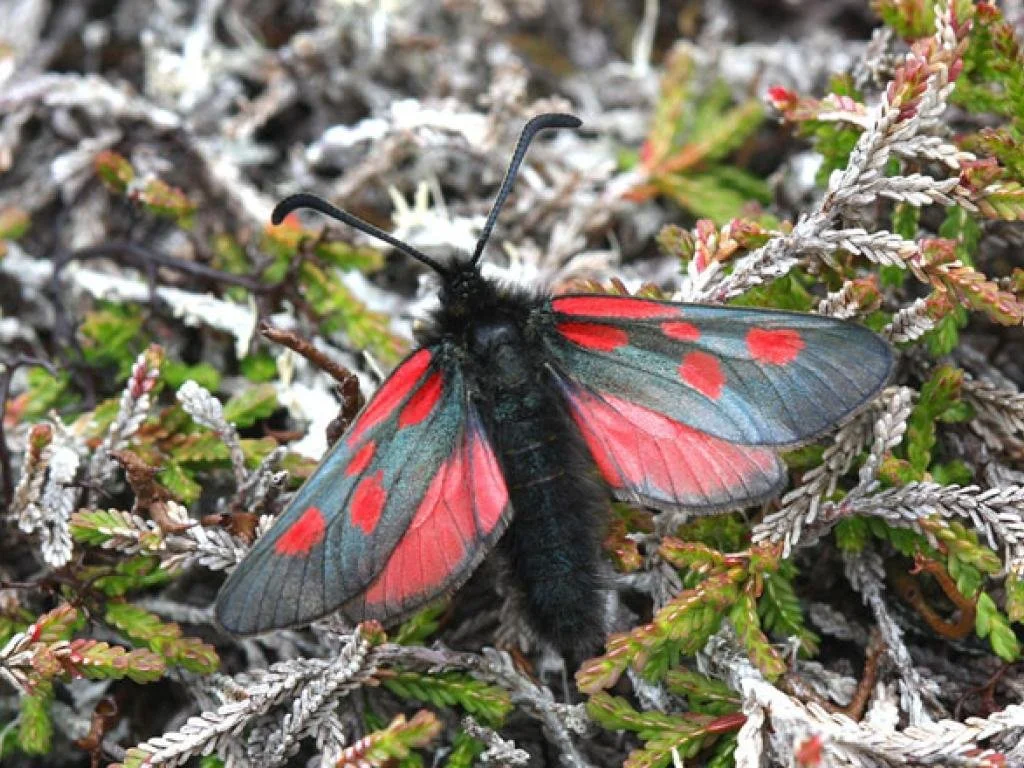
Scotch Burnet Moth
What affects vascular plants, especially the flowering species also affects the pollinators that depend on them. Sub-alpine habitats are home to specialist butterflies and moths, in one study in the French Pyrenees the Mountain or Scotch Burnet moth had adjusted to a 1-degree increase in air temperature by shifting its range upslope by 450 m losing 79% of its range in 50 years. This same species is Red data listed (category 3 - rare) in the UK being found only in the same Boreal Taiga belt as discussed earlier in this post in Scotland, with its caterpillars feeding on the leaves and unripe berries of Crowberry, Cowberry and Bilberry and the butterflies attracted to the delicate flowers that live amongst the dwarf shrubs.
The management issue
It’s Scotland that presents a useful endpoint for this post, as with climate warming there is also a need to address the way we manage these landscapes to help mitigate against already increased warming. Habitat management is a major thorny subject across the moorland and uplands of the UK, we have long given subsidies to landowners to manage forced heather (Calluna vulgaris) habitat for grouse shooting at a last check it amounted to £56/hectare, and with an estimated 1 million hectares of moorland in use for driven grouse shooting in Scotland amounts to a substantial amount of any government budget. It’s worth reiterating that these grouse moorlands are extensively managed through burning to create a mosaic of nesting and feeding sites for the Red Grouse, in addition in many areas former blanket bog peatlands (a habitat that will feature in a separate post) have been forced drained to allow Calluna to grow. The practice of burning itself is due to be banned under EU law in 2020 (which we may have left by that point), however, the UK only has a voluntary code of practice on moorland burning which issues guidelines on when to burn, this includes not burning during prolonged dry weather. Sadly as shown recently by the unseasonably warm February temperatures, these guidelines are being ignored resulting in devastating fires. As the UN declares a major initiative to rewild and restore damaged habitats across the world, it is time we asked the question about abandoning these over-managed landscapes and helping them return to mixed dwarf shrubs and allowing wet heath and blanket bog to return to their natural state.
References
Britton, A.J., Beaie, C.M., Towers, W.R. and Hewison, R.L. (2009) Biodiversity gains and losses: evidence for homogenisation of Scottish alpine vegetation. Biodiversity and Conservation 148 (8) 1728-1739.
Freeman, B.G., Lee-Yaw, J.A., Sunday, J.M and Hargreaves, A.L. (2018) Expanding, shifting and shrinking: The impact of global warming on species elevation distributions. Global Ecology and Biogeography.
Gottfried et al. (2012) Continent-wide response of Mountain Vegetation to Climate Change. Nature Climate Change, 2: 111-115.
Zold, H. S. J., Spes, T.A., Husu, M. and Gatziolis, D. (2012) Climatic, landform, microtopography and understory canopy controls on tree invasion in a subalpine meadow landscape, Oregon, Cascades, USA. Landscape Ecology, 27 (8) 1197-1212.